
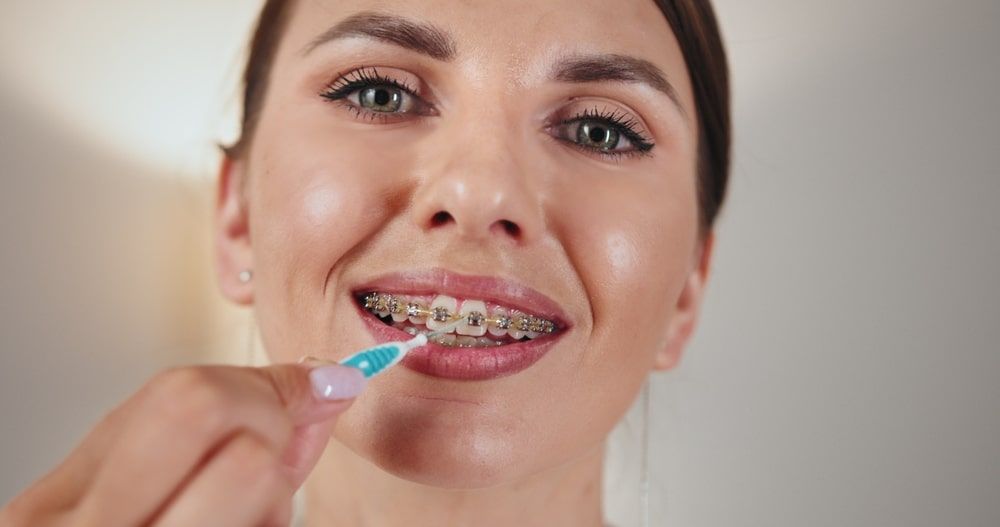
Maintaining excellent oral hygiene is essential for long-term success with dental restorations. At New Teeth Chicago Dental Implants in Chicago, IL, Dr. Irfan Atcha emphasizes that crowns, bridges, and implants require specialized care to prevent complications such as gum disease, plaque buildup, and implant failure. While natural teeth can recover from minor issues more easily, restorations rely on a healthy oral environment to remain stable and functional over time. Understanding the best oral hygiene practices is crucial for anyone who has undergone restorative procedures or is considering treatments such as same-day dental implants or crowns and bridges.
Proper care not only extends the lifespan of these restorations but also maintains overall oral health. Neglecting oral hygiene can result in inflammation, bacterial growth, and damage to the surrounding gum tissue, which can compromise the structural integrity of implants and prosthetics. By integrating a structured and effective routine, patients can protect their investment in restorative dentistry while enjoying a confident, healthy smile.
Understanding the Risks for Restorations
Crowns, bridges, and dental implants are durable, but they are not immune to issues caused by poor oral hygiene. Plaque accumulation at the margins of crowns and bridges can lead to decay in the supporting teeth, while implants can develop peri-implantitis—a condition similar to gum disease that threatens the surrounding bone and soft tissue. Regular hygiene practices must be adapted to account for the unique surfaces and structures of these restorations, ensuring that bacteria and food debris do not accumulate in hard-to-reach areas.
The health of surrounding gums and bone is critical. For implants in particular, the success of procedures such as all-on-4 implants or implant supported dentures depends on a strong and infection-free foundation. Without proper maintenance, even high-quality restorations can fail prematurely. Patients must understand that preventative care is as important as the procedure itself, making routine dental hygiene a cornerstone of long-term success.
Brushing Techniques for Restorations
Effective brushing is the first line of defense in protecting crowns, bridges, and implants. A soft-bristled toothbrush is recommended to prevent damage to restoration surfaces while effectively removing plaque. Electric toothbrushes with specialized modes for sensitive gums can be particularly helpful in ensuring thorough cleaning around dental prosthetics. Patients should focus on gentle, circular motions to clean the gumline and restoration margins, paying extra attention to areas where plaque and debris are likely to accumulate.
It is also important to brush twice daily and spend adequate time on each session to ensure complete coverage. Special attention should be given to multi-unit restorations like crowns and bridges, where food particles can become trapped between the prosthetic and natural teeth. Proper brushing not only protects against plaque buildup but also reduces the risk of gum inflammation, which is critical for maintaining a stable oral environment for implants and prosthetics.
Flossing and Interdental Care
While brushing removes surface plaque, flossing addresses the areas between teeth and beneath bridge pontics where toothbrushes cannot reach. For implants and bridges, patients may need to use specialized tools such as floss threaders, interdental brushes, or water flossers to clean these hard-to-access spaces effectively. Consistent interdental cleaning helps prevent gum disease, peri-implantitis, and secondary decay around restorations.
Interdental cleaning should be performed at least once daily. Patients with complex restorations such as fixed dentures or implant-supported prosthetics may benefit from guidance from their dental team to learn proper technique. Regular use of these tools ensures that restorations remain free from harmful bacteria and that the gums surrounding the teeth and implants remain healthy.
Mouth Rinses and Additional Preventative Measures
Antimicrobial mouth rinses can complement brushing and flossing by reducing bacterial load and preventing plaque accumulation. Products containing fluoride may also help protect the remaining natural teeth and prevent demineralization near restorations. Maintaining hydration and avoiding foods or habits that contribute to staining or decay further supports the longevity of crowns, bridges, and implants.
Regular dental visits are essential for professional cleaning and monitoring. Procedures such as full mouth reconstruction or same-day dental implants require ongoing evaluation to ensure that restorations are functioning correctly and that surrounding tissues remain healthy. During these visits, dental professionals can identify early signs of problems and recommend adjustments to daily oral care routines for optimal outcomes.
- Recommended daily hygiene routine for restorations:
- Brush twice daily with a soft-bristled or electric toothbrush
- Floss or use interdental brushes/water flosser daily
- Rinse with an antimicrobial or fluoride mouthwash
- Monitor for signs of gum irritation, swelling, or bleeding
- Schedule regular dental check-ups and professional cleanings
Lifestyle Considerations for Long-Term Success
Beyond hygiene practices, lifestyle factors play a role in maintaining restorations. Avoiding tobacco products, limiting sugary foods, and minimizing habits such as teeth grinding or chewing on hard objects can prevent damage to crowns, bridges, and implants. Additionally, a nutrient-rich diet supports gum and bone health, providing the foundation necessary for the success of prosthetic dental work.
Patients should also be aware that restorative procedures such as same-day dental implants or implant supported dentures require consistent care for long-term success. A comprehensive approach that combines proper hygiene, lifestyle adjustments, and professional monitoring ensures that restorations remain functional, aesthetically pleasing, and durable for years to come.
Sustaining Oral Health and Restoration Longevity
Proper oral hygiene is the cornerstone of long-term success for crowns, bridges, and implants. At New Teeth Chicago Dental Implants in Chicago, IL, Dr. Irfan Atcha emphasizes that consistent brushing, flossing, and professional care are critical to maintaining both the health of surrounding tissues and the stability of restorations. By adopting a structured hygiene routine and making mindful lifestyle choices, patients can enjoy lasting results, prevent complications, and protect their investment in restorative dentistry. Crowns, bridges, and implants can provide a durable and beautiful smile, but only when supported by attentive care and proactive maintenance.
Resources
- Renvert, S., & Quirynen, M. (2015). Risk factors for peri-implantitis. Clinical Oral Implants Research.
- Mombelli, A., et al. (2002). The microbiota associated with successful and failing implants. Periodontology 2000.
- Pjetursson, B. E., et al. (2012). Long-term survival and complications of dental implants. Clinical Oral Implants Research.